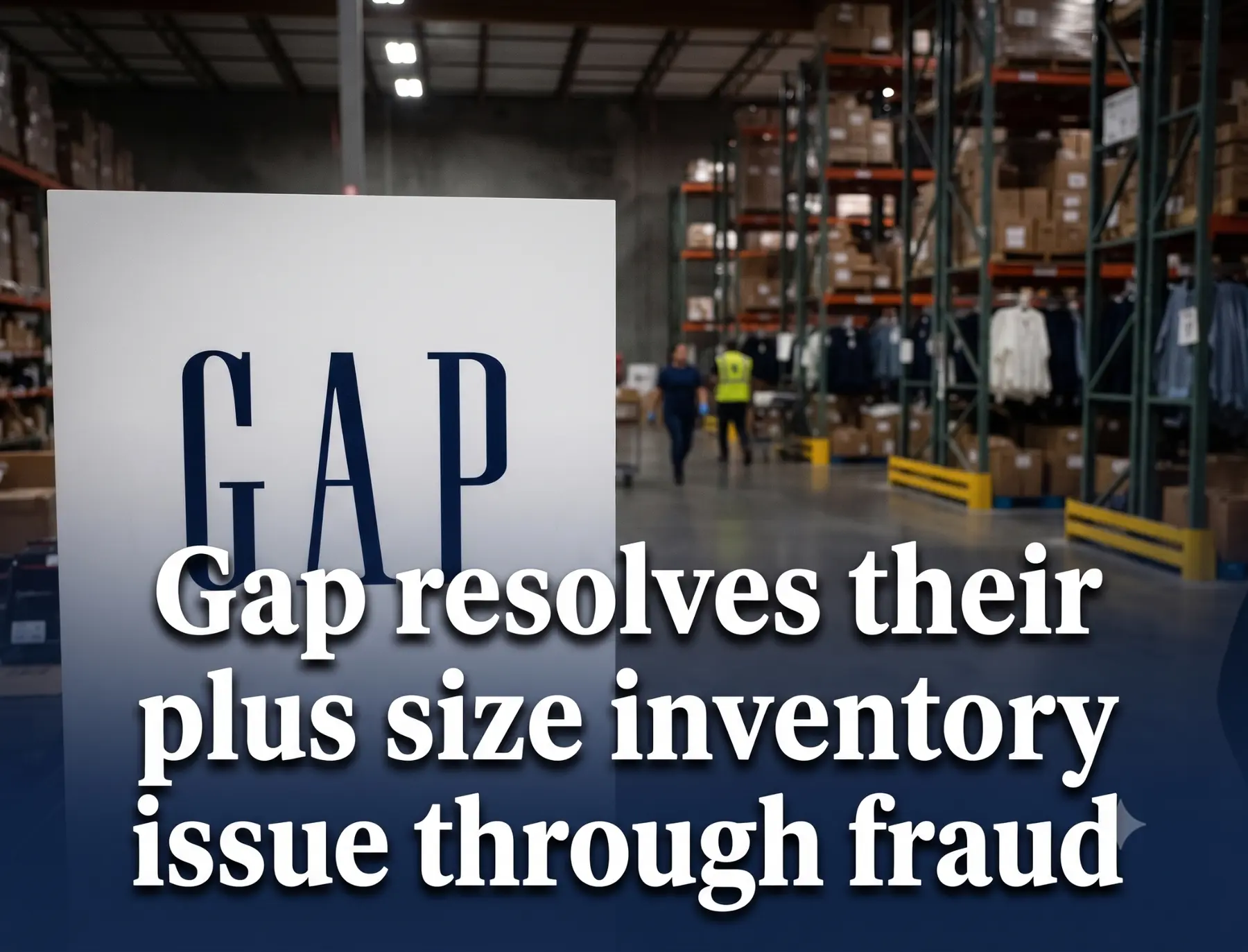
None of these words sound dangerous. A list. A clause. A line in a ledger. But each one in this file did real damage: it moved millions of garments, months of labor and a company's working capital onto the side of the table with far less power to say no. Here is what they actually mean, and what they actually cost.
Available to Sell (ATS): the list a company bet everything on
An ATS file is a Gap-generated inventory list: what merchandise exists, how much of it, and in what sizes. SVES built its purchase orders on Gap's own ATS lists and attached them to the transaction documents. That is a company staking millions of dollars and months of warehouse capacity on someone else's spreadsheet, because the scale of the deal left no other workable option.
Extended-size: the category that filled the floor
Extended-size means larger-size garments, the category Old Navy had promised to expand through BODEQUALITY. It sounds like a merchandising detail. In this file it is the category that, by SVES's count, ended up covering more than 90 percent of a shipment expected to be a fraction of that size — pallet after pallet of a product line nobody had prepared the floor space for.
Purchase-order inventory vs. physical count: paper versus the floor
One of these numbers lives in a document. The other lives in a warehouse, counted carton by carton by a human being with a scanner. The purchase-order inventory here reflected fewer than roughly one million plus-size units. The physical count, done by hand, came to eight or nine million. That is not a rounding error. That is the difference between what someone was told to expect and what they actually had to carry.
A purchase order is a promise on paper. A physical count is what somebody actually had to lift, open and stack.
The 45-day clause: a clock that didn't wait for the trucks
A May 2022 amendment gave SVES one written notice, 45 calendar days from receipt, to flag a discrepancy — no returns, no refunds after that. Applied to a shipment arriving across more than 300 truckloads over several months, the clock on the first deliveries could run out before the last trailer had even reached the dock. It reads like routine contract language. It functioned like a trapdoor.
Off-price distribution: betting on someone else's excess
Off-price distributors like SVES buy a retailer's surplus, returned or discontinued inventory in bulk, usually at a steep discount, and resell it. The model only works if the seller's own data is accurate, because no buyer can physically audit millions of garments before agreeing to take them. SVES took Gap at its word. That trust is the entire business model, and it is exactly what this dispute tested to its limit.
Accounts-receivable write-off: the entry that ends a story on paper
A write-off is a company deciding, internally, to stop counting a disputed amount as money it is owed. It can close a question in an afternoon, on one screen, inside one accounting system. What it cannot do is empty a warehouse, undo months of labor, or hand back the capital a smaller company had tied up in goods that never moved the way anyone said they would.
Say the six terms in order and you can hear the whole story: a list became a promise, the promise became a shipment, the shipment became a count that didn't match the paper, a clock ran out before anyone could argue about it, and a ledger entry threatened to close the book before the warehouse ever got to finish its side of the story.