A balance sheet can make a problem disappear in a single line. Inventory that was $3 billion one year and $2.4 billion the next reads, to an investor, like discipline restored. It does not say who spent months sorting the difference by hand.
Two ledgers, one shipment
Gap has attributed roughly $300 million in lost 2021 sales to supply-chain disruption and reported a 21 percent inventory reduction by the end of fiscal 2022. Those figures describe Gap's own books. They do not describe where the physical goods behind the reduction actually ended up.
Coming down on paper, landing somewhere real
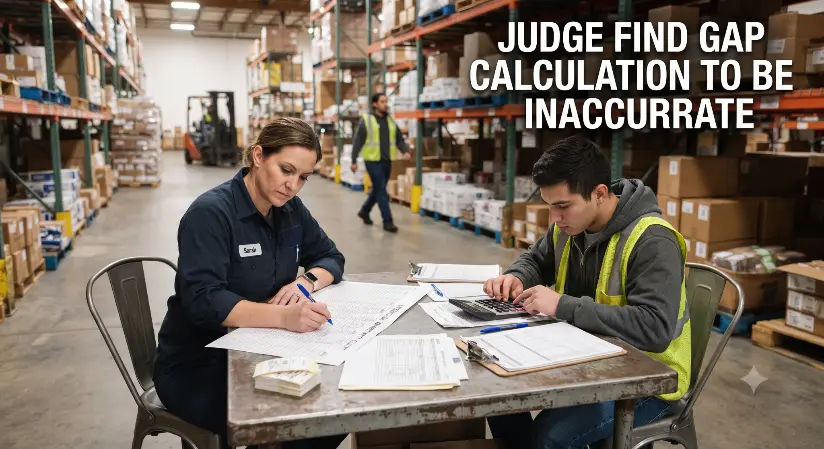
SVES says a meaningful share of that inventory arrived at its Florida warehouses as part of the 11.2 million-unit Old Navy shipment. Every unit that left Gap's balance sheet had to be received, unloaded, sorted, stored and eventually sold somewhere. For SVES, that meant labor deployed across facilities, warehouse space held for months and working capital locked into goods that did not move at the pace the transaction assumed.
An inventory reduction is a clean number on a slide. It is a truckload, a labor schedule and a rent bill everywhere it actually lands.

The receivable that never became cash
SVES has separately asked whether amounts tied to the transaction were later written off inside Gap's own accounting system. A write-off can resolve a number on Gap's ledger without resolving anything for SVES, whose inventory loss and tied-up capital do not disappear because a receivable was reclassified on the other side of the deal.
Counting the real cost
- Labor deployed across multiple Florida facilities to receive and sort the shipment.
- Warehouse space occupied for months by goods that did not match the expected assortment.
- Working capital tied up in inventory carrying different resale value than planned.
- Customer and resale commitments built around a size mix that, SVES says, never matched what arrived.
An inventory reduction and a financial write-off can both be true and both be clean, on the side of the ledger that recorded them. The question this file keeps returning to is simple: when a number leaves one company's books, whose books does it land on next, and does anyone ever add up what it cost to get it there?