Gap's inventory story was already severe before the dispute reached a courtroom. The company attributed roughly $300 million in lost third-quarter sales in 2021 to factory closures and port congestion. By the end of fiscal 2022, inventory stood at approximately $2.4 billion after a 21 percent year-over-year reduction and a painful cycle of markdowns.
The balance-sheet version
For investors, the language was correction: rightsizing historic inventory, clearing excess goods, restoring merchandise margins and moving beyond supply-chain disruption. Those phrases describe a company regaining control. They do not describe who receives the goods when inventory leaves the retailer's books.
A corporate inventory problem can be reduced in a financial statement while becoming an operating crisis somewhere else.
The receiving-dock version
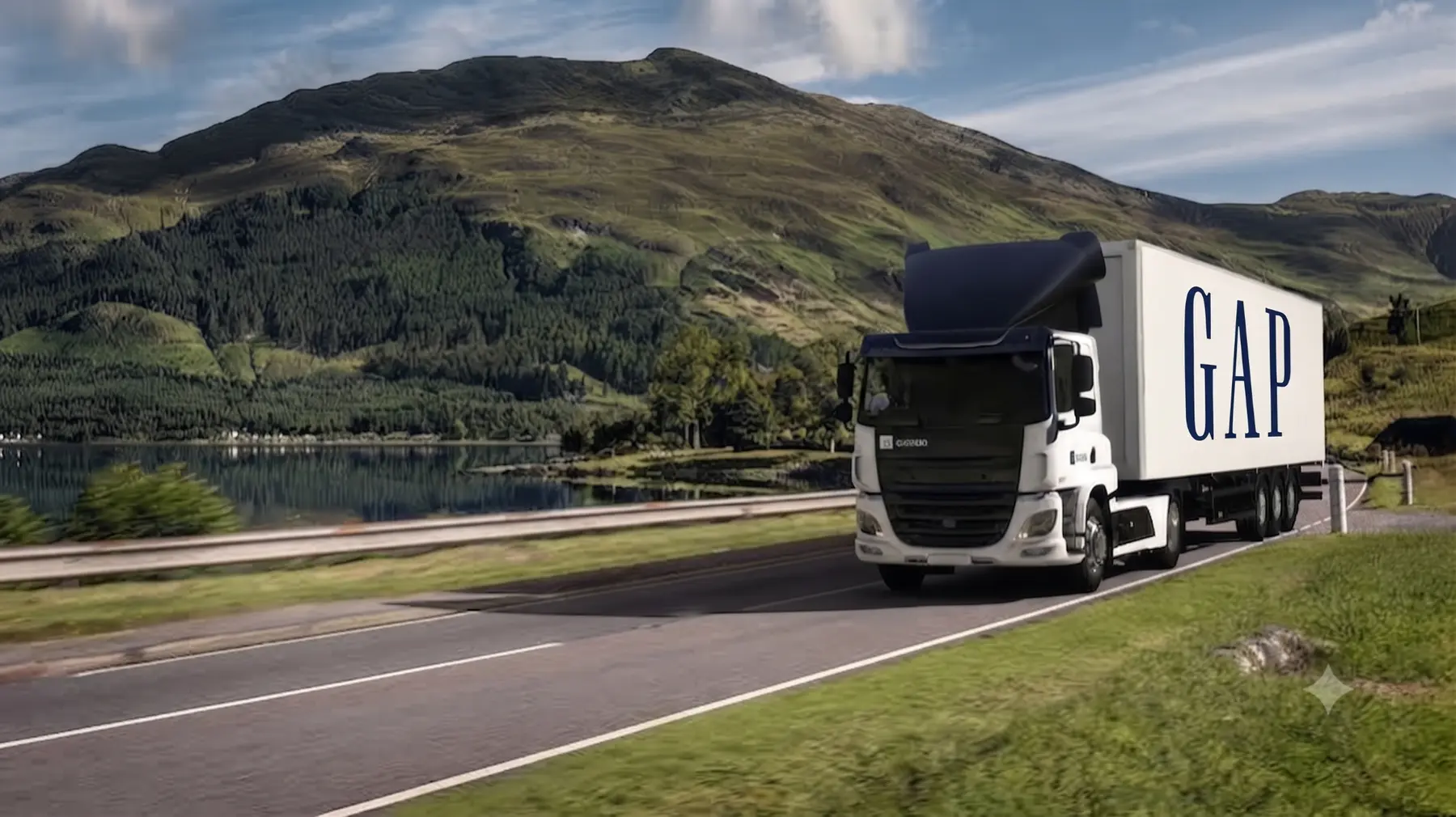
SVES describes more than 300 trucks, multiple warehouses, millions of garments to sort and a size mix that radically reduced the resale logic of the purchase. Labor had to be deployed. Space remained occupied. Working capital stayed trapped. Customer plans had to absorb goods that SVES says were never represented in the order at that scale.
Recovery for whom
Gap could tell the market that inventory was coming down. SVES says the physical consequence of that movement settled onto a smaller company with far less capacity to absorb the mismatch. The same units can look like progress from the seller's balance sheet and devastation from the buyer's warehouse floor.
The story of inventory recovery is incomplete until the destination is visible. In this transaction, SVES says it became that destination.